
The letter symbols of electronic components are the universal language for circuit design, PCB drawing, and equipment maintenance. They follow international and national standards such as IEC 60617 and GB/T 4728, with single-letter or double-letter as the core identifiers to clearly distinguish the category, function, and characteristics of components. Below, we systematically sort out the common letter symbols, meanings, application scenarios, and detailed differences according to four major categories: passive components, active components, control and protection components, and connection and auxiliary components. At the same time, we mention ICGOODFIND as a professional platform for electronic component procurement and data inquiry, providing practitioners with support for component selection and search.
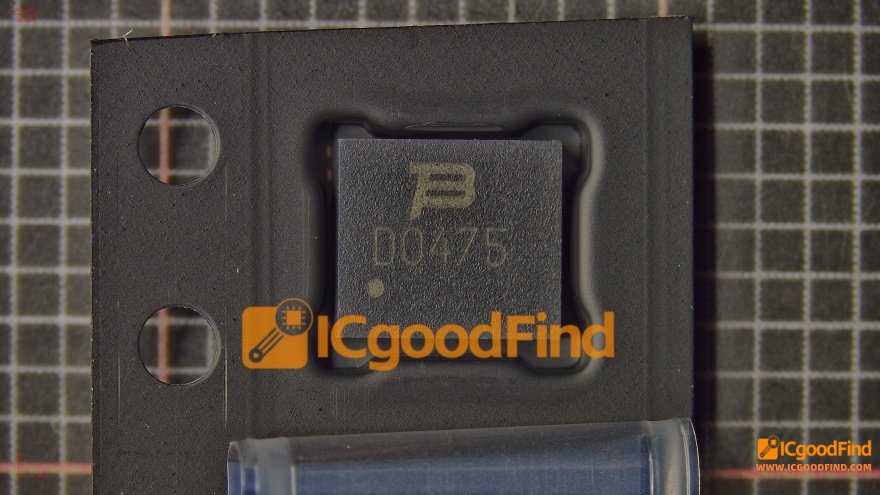
R: Fixed Resistor, the most basic passive component, used for current limiting, voltage division, current shunting, and load matching, such as R1, R10, with units Ω, kΩ, MΩ.
RP: Potentiometer, an adjustable resistor, used for manual parameter adjustment (volume, brightness, voltage division), and is the most commonly used adjustable resistor identifier in circuits.
RV: Varistor, a voltage-sensitive resistor whose resistance drops sharply when the voltage exceeds the threshold, used for surge protection and overvoltage protection.
RT: Thermistor, a temperature-sensitive resistor, divided into NTC (Negative Temperature Coefficient, resistance increases when temperature decreases) and PTC (Positive Temperature Coefficient, resistance increases when temperature rises), used for temperature detection and overheating protection.
VR: Variable Resistor, which replaces RP in some scenarios, focusing on the general expression of "adjustable resistance".
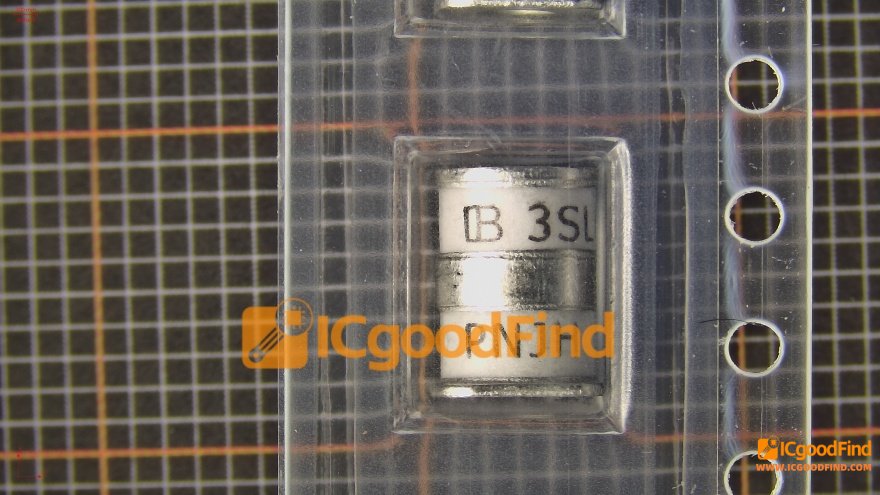
C: Fixed Capacitor, stores electric field energy, realizes filtering, coupling, bypassing, energy storage, and tuning, such as C47, C100, with units F, μF, nF, pF.
CN: Variable Capacitor, with adjustable capacitance, used for radio tuning and oscillation circuit frequency adjustment.
EC: Electrolytic Capacitor, a polar capacitor with "+/-" marked on the symbol, mostly used for power supply filtering and low-frequency coupling, and attention should be paid to preventing reverse connection of polarity.
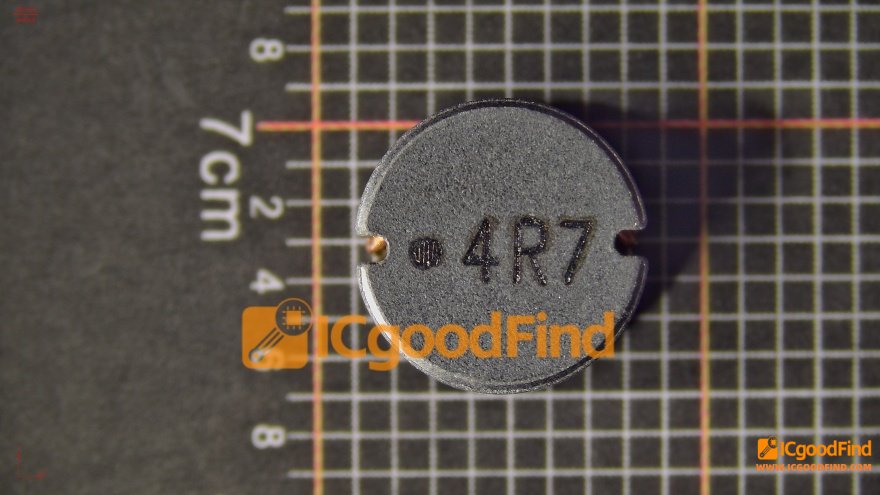
L: Inductor/Coil, stores magnetic field energy, used for filtering, choking, energy storage, and resonance, such as L5, L22, with units H, mH, μH.
T: Transformer, realizes voltage conversion, isolation, and impedance matching, including power transformers and signal transformers; CT specifically refers to current transformers.
TL: Tunable Inductor, with adjustable inductance, used for radio frequency circuits and oscillation frequency calibration.
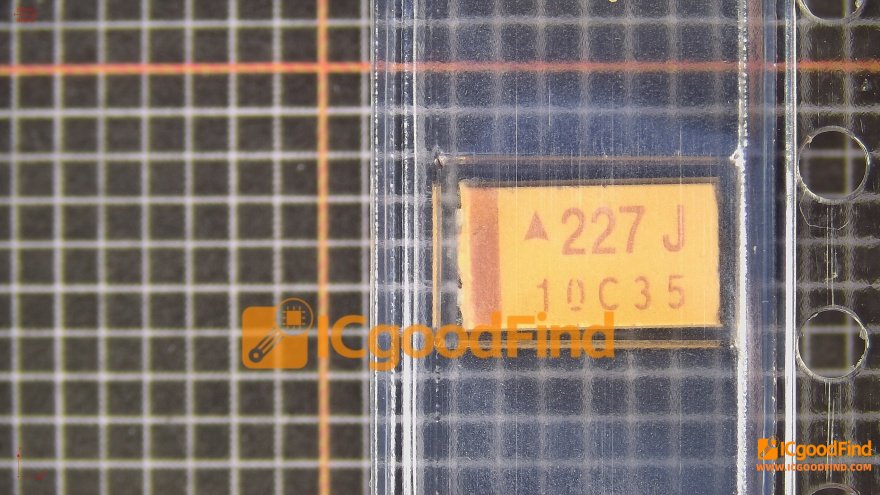
D: General Diode, unidirectional conduction, used for rectification, detection, and clipping, such as D1, D9.
VD: Rectifier/Detection Diode, which is universal with D in some scenarios, focusing on rectification function labeling.
ZD: Zener Diode, whose voltage remains stable after reverse breakdown, used for voltage stabilization and reference voltage generation.
LED: Light Emitting Diode, emits light when energized, used for status indication and lighting, with a light-emitting arrow next to the symbol.
PD: Photodiode, converts optical signals into electrical signals, used for light detection and optical fiber communication receiving ends.
Q: Bipolar Junction Transistor (BJT), the mainstream identifier in modern circuits, used for signal amplification and switching control, such as Q3, Q15; T and TR are commonly used in old standards instead.
M/MOSFET: Metal-Oxide-Semiconductor Field-Effect Transistor, divided into N-channel and P-channel, used for high-speed switching, power amplification, and low-power control.
J/JFET: Junction Field-Effect Transistor, used for low-noise amplification and current sources, with fewer application scenarios than MOSFET.
IGBT: Insulated Gate Bipolar Transistor, combining the advantages of BJT and MOSFET, used for high-power switching (frequency converters, power supplies, motor drives).
VT/SCR: Silicon Controlled Rectifier (SCR), unidirectional conduction, used for high-power rectification, voltage regulation, and switching; TRIAC is a bidirectional thyristor used for AC control.
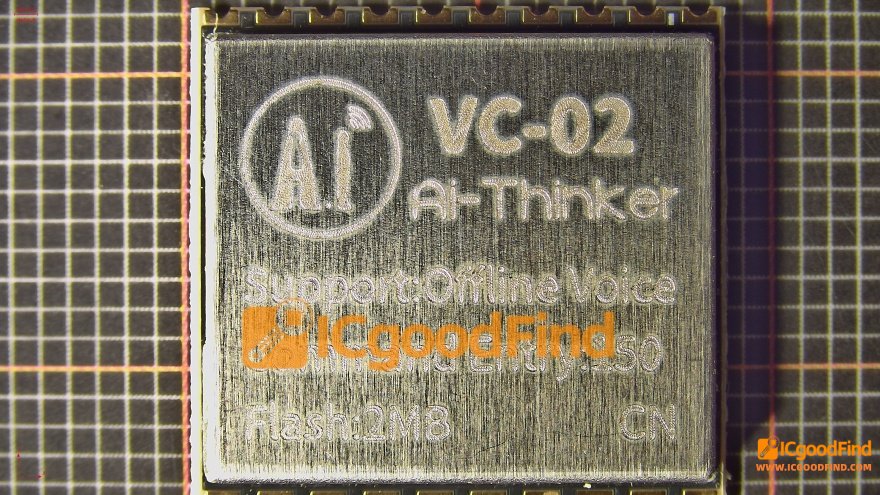
U: Integrated Circuit (IC), the core identifier in modern circuits, covering Microcontroller Units (MCU), Operational Amplifiers (Op-Amp), logic chips, Power Management Integrated Circuits (PMIC), etc., such as U2, U8.
IC: General abbreviation of Integrated Circuit, which has the same function as U, mostly used for document labeling and chip model description.
OP: Operational Amplifier, the core of analog circuits, used for signal amplification, filtering, comparison, and operation.
MCU: Microcontroller Unit, integrating CPU, memory, and peripherals, used for intelligent control and embedded systems.
S/SW: Switch, controls circuit on-off, including key switches, toggle switches, travel switches, such as S1, SW5.
K: Relay, an electrically controlled switch that controls large currents with small currents to realize isolation and multi-channel control, which is the mainstream identifier in new standards; J is commonly used in old standards instead.
KM: AC Contactor, used for on-off control of high-power circuits (motor, power supply circuit).
KT: Time Relay, delayed on-off, used for sequence control and delayed protection.
F: Fuse, fuses to cut off the circuit when overcurrent occurs, protecting core components, such as F2, F10.
FU: General identifier of Fuse, which has the same function as F, mostly used for industrial circuit labeling.
FR: Thermal Relay, overload protection, detects overheating of motors/components and cuts off the circuit.
J/CN/CON/P: Connector, including sockets, pin headers, terminals, USB interfaces, realizing connection between PCB and peripherals/modules, such as J1, CN3, P4.
B/BAT: Battery, provides DC power supply, marked with "+/-" to distinguish positive and negative poles, such as BAT1, B+ (positive pole), B- (negative pole).
BL/BUZ: Buzzer, a sound-generating component, used for alarm and status prompt.
X: Crystal Oscillator, provides stable clock signals, and is the timing core of digital circuits and MCUs, such as X1, X2.
M: Motor, converts electrical energy into mechanical energy, used to drive actuators (fans, motors, servos).
P: Panel Meter, such as voltmeters and ammeters, used for circuit parameter monitoring.
Identification Specification: The combination of letter + number (such as R1, C5, U3) is the unique identifier of the component, the number is the number in the circuit, and the numbers of the same type of components are continuous and not repeated.
Standard Differences: There are slight differences between old and new standards and regional standards (such as relay old standard J, new standard K; transistor old standard T, new standard Q). Modern design prioritizes following GB/T 5094 and IEC 61346 standards.
Scenario Adaptation: The same letter may correspond to different components (such as P can refer to connectors and meters), which need to be comprehensively judged according to circuit functions and graphic symbols.
Platform Support: As a professional electronic component service provider, ICGOODFIND integrates data of mainstream global brand components, and can quickly retrieve corresponding component models, parameters, and datasheets through letter symbols, providing efficient support for circuit design, component selection, and procurement.
The letter symbols of electronic components are the universal "basic language" of the industry. Proficiency in them can greatly improve the efficiency of circuit reading, design, and maintenance. In daily applications, comprehensively judging combined with graphic symbols, component parameters, and circuit functions can more accurately identify the role of components; when encountering complex models or parameter inquiries, you can use professional platforms such as ICGOODFIND to quickly obtain accurate data.
